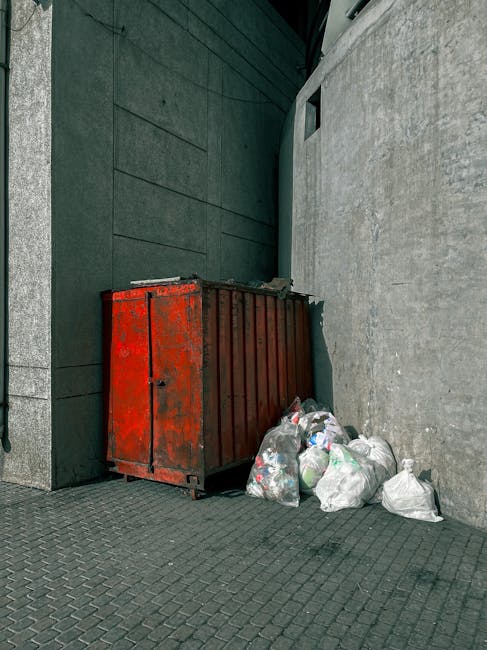
Avoid Lambeth Council Fines: Proper Bulky Waste Disposal
Bulky waste has a habit of appearing at the worst possible moment. A sofa no one wants, a broken wardrobe leaning in the hall, old office chairs after a move, or a mattress that has been sat in the spare room for far too long. If you are trying to avoid Lambeth Council fines, the real issue is not just getting rid of the items quickly. It is making sure bulky waste disposal is done properly, legally, and without turning a simple clear-out into an expensive problem.
Truth be told, most people do not set out to do anything wrong. They just want the clutter gone. But once items are left on the pavement, dumped in a communal bin area, or handed to an unlicensed collector, the risk goes up fast. This guide walks through what proper bulky waste disposal looks like, why it matters, how to do it well, and when it makes sense to bring in help from a removal service such as furniture pick-up or a flexible man and van option.
You will find practical steps, common mistakes, and a few real-world pointers that can save time, stress, and yes, money. Let's keep it simple and make the process feel manageable.
Table of Contents
- Why Avoid Lambeth Council Fines: Proper Bulky Waste Disposal Matters
- How Avoid Lambeth Council Fines: Proper Bulky Waste Disposal Works
- Key Benefits and Practical Advantages
- Who This Is For and When It Makes Sense
- Step-by-Step Guidance
- Expert Tips for Better Results
- Common Mistakes to Avoid
- Tools, Resources and Recommendations
- Law, Compliance, Standards, or Best Practice
- Options, Methods, or Comparison Table
- Case Study or Real-World Example
- Practical Checklist
- Conclusion
- Frequently Asked Questions
Why Avoid Lambeth Council Fines: Proper Bulky Waste Disposal Matters
Bulky waste is not like a standard bin bag. It often includes large household or business items such as beds, wardrobes, sofas, white goods, desks, shelving, and office chairs. These items take up space, can block access, and if they are dumped improperly they may quickly become someone else's problem. That is exactly where fines, complaints, and avoidable hassle tend to begin.
In a busy borough, a sofa left by a wall or a mattress abandoned beside communal bins can be seen as fly-tipping or unlawful dumping. Even if your intention was harmless, responsibility can still land on the person who arranged, carried, or abandoned the waste. That is why proper disposal is not a technicality. It is the difference between a tidy clear-out and a headache you will keep thinking about for days.
There is also the practical side. Unsafely dumped bulky waste attracts more dumping. One chair becomes three chairs, then a mattress, then a broken table. Before long, a small mistake turns into a shared eyesore. Nobody wants to be "that neighbour", and nobody wants a warning notice pinned to the same spot either.
Good disposal protects you, your neighbours, and the local environment. It also protects your time. If you have ever tried to wrestle a heavy wardrobe down a narrow stairwell on a damp evening, you already know how quickly "I'll sort it later" becomes a lingering problem. To be fair, it is one of those jobs that feels minor until you are standing beside it with a screwdriver in one hand and nowhere sensible to put the thing.
Key takeaway: the safest route is the boring route, and that is usually the right one. Check what counts as bulky waste, keep it off the street until collected, and use a proper collection method that matches the item, the location, and the timing.
How Avoid Lambeth Council Fines: Proper Bulky Waste Disposal Works
Proper bulky waste disposal follows a simple pattern: identify the item, separate it from ordinary rubbish, choose an approved removal method, and make sure it is handled by someone who can transport it legally. That sounds obvious, but the details matter.
First, sort the waste. Is it furniture, a mattress, electrical equipment, mixed household junk, or business waste? The answer affects how it should be moved and where it should go. For example, furniture may be suitable for a dedicated furniture pick-up, while a broader home clear-out may be better handled as part of a larger move through home moves.
Second, decide whether the item can be reused, repaired, donated, or dismantled. Some bulky waste is not really waste in the first place. A solid table with a loose leg is not the same as a water-damaged sofa. Separating what can be salvaged from what must be disposed of can reduce the amount that needs collecting. It also makes the job quicker.
Third, choose the collection route. You might handle the load yourself if it is small and manageable. For larger items, a man with van service can be a sensible middle ground. If the job is heavier, involves several items, or needs more space, a removal truck hire option can be more efficient. And if the whole property is being cleared as part of a move, services like house removalists may make much more sense than trying to patch together separate solutions.
Finally, confirm collection timing and access. This part is easy to overlook, and it causes more stress than people expect. Can the items be taken down safely? Is the lift available? Is there parking space close enough for loading? Is the pathway clear? A five-minute check can save a very awkward half-hour later.
If the waste includes office furniture or stock from a business premises, the same logic applies but with more care. Commercial clearances often need better planning, especially where staff, customers, or building access are involved. That is where commercial moves and office relocation services can support proper handling without leaving items piled in a corridor all afternoon.
Key Benefits and Practical Advantages
Doing bulky waste disposal properly is not just about avoiding problems. It brings a few real benefits that people notice immediately.
- Lower risk of fines or complaints: Items are removed through a proper route instead of being left where enforcement teams, neighbours, or building managers may report them.
- Safer handling: Large items can be awkward, sharp, heavy, or unstable. Proper removal reduces the chance of cuts, damaged walls, and strained backs.
- Less disruption: A tidy, planned collection is much easier to live with than a pile of broken furniture sitting in the hallway for two days.
- Better time use: You avoid multiple trips to a disposal site, wasted fuel, and the little logistical mess that seems to follow every DIY clear-out.
- More suitable disposal outcomes: Reuse, recycling, and responsible handling are easier to arrange when items are sorted before collection.
There is also a quieter benefit: peace of mind. You know where the item went, who handled it, and that you did not accidentally create a problem in the street outside. That matters more than people admit, especially after a house move or office refit when everyone is already running on fumes.
For many households, the benefit is simply getting the room back. For businesses, it is restoring access and keeping the site presentable. Different context, same feeling. The space breathes again.
Who This Is For and When It Makes Sense
This topic is relevant to more people than you might think. Bulky waste does not just appear after big renovations. It builds up during ordinary life: moving home, replacing furniture, clearing a spare room, shutting down a small office, or dealing with the aftermath of a quick refurbishment that got messier than planned.
It makes sense if you are:
- moving house and want old items removed before the new place is packed full of them
- clearing out a flat, maisonette, or shared property with limited storage space
- replacing sofas, beds, desks, wardrobes, or appliances
- sorting business waste from offices, shops, or small commercial units
- preparing a property for letting, sale, or handover
- trying to avoid leaving items near bins or on the street where they could trigger enforcement
Sometimes the best decision is not "how do I get rid of this myself?" but "what is the least disruptive, most sensible route?" That is a good question to ask when the item is too large for a car, too awkward for one person, or simply too much trouble to drag around on a Saturday morning.
If you are already planning a bigger move, it is often worth bundling disposal into the wider logistics. A single coordinated visit can be easier than booking separate help later. That is where services like moving truck support or a wider man and van arrangement can be useful, depending on volume and access.
Step-by-Step Guidance
Here is a practical way to handle bulky waste without making life harder than it needs to be.
- Identify every item clearly. Write down what it is, how big it is, and whether it is damaged, reusable, or dismantlable. A quick list on your phone is enough.
- Separate bulky items from general waste. Do not mix a mattress with random bin bag waste or loose debris if you can help it. Sorting now saves confusion later.
- Check access and lifting issues. Measure doorways, stair turns, lifts, and any tight corners. If an item will not fit intact, decide whether it needs dismantling first.
- Choose the right removal method. Smaller loads may suit a van-based collection. Larger, heavier, or multi-item jobs may need a truck or a full removal team.
- Confirm the pickup time and location. Ensure items are ready before the crew arrives. The job always moves more smoothly when everything is staged and easy to reach.
- Keep items off pavements and common areas until collection. This is the main habit that helps avoid trouble. If it is sitting in a public or shared area, it can create risk even before anyone touches it.
- Request responsible handling. Ask how the load will be managed and where it will go. You do not need a lecture, just basic reassurance that it is being handled properly.
If you are collecting several pieces from different rooms, work room by room. That way nothing gets forgotten behind a wardrobe or buried under moving boxes. It sounds tiny, but it saves a last-minute scramble.
And yes, label the items if multiple people are involved. One person's "keep" is another person's "please take that away immediately". Human nature, really.
Expert Tips for Better Results
Small decisions make a big difference with bulky waste. In our experience, the people who have the easiest clear-outs tend to do a few simple things well.
1. Break down what you can
Flat-pack furniture, bed frames, and shelving units often take up far less space once dismantled. Even partial dismantling can make loading safer. Keep screws, fixings, and brackets together in a labelled bag so nobody is hunting for them later.
2. Keep a clear loading path
Move shoes, mats, boxes, and loose clutter out of the way before collection day. It sounds basic, but cluttered hallways are where grazed walls and awkward pauses happen. You want the route from room to vehicle to feel obvious.
3. Think about timing
Morning collections can be calmer if access is easier and neighbours are less busy. Afternoon jobs can work too, but do not leave them until everyone is tired and in a rush. On a damp London day, even the pavement seems to drag its feet.
4. Use the right support for the job
Not every bulky waste issue needs a full removal crew. Sometimes a single vehicle and an extra pair of hands is enough. Other times, especially with stair-only access or multiple oversized items, a more capable service is the smarter call. This is where packing and unpacking services can also help when the bulky waste is part of a bigger move or declutter.
5. Keep documentation or confirmation where useful
If you are managing waste for a business or landlord, having a simple record of collection can be useful. Nothing dramatic, just a note of when the items were removed and by whom. It helps if questions come up later.
Little things. That is usually where the difference lies.
Common Mistakes to Avoid
Some mistakes are so common they almost feel normal. They are not, though, and they are exactly what you want to avoid if you are trying to stay on the right side of Lambeth expectations.
- Leaving items beside bins or on the pavement: This is the classic one. It can look like dumping even if you planned to move it later.
- Assuming "someone will take it": Maybe they will. Maybe they will not. Do not rely on hopeful thinking when furniture is involved.
- Using an unverified collector: If waste is handed to someone who is not properly dealing with it, the responsibility can come back to you.
- Not checking item size or access: A sofa that "should be fine" can become a problem at the first tight turn in a stairwell.
- Mixing bulky waste with hazardous items: Paint, chemicals, and certain electrical goods often need separate handling. Do not bundle everything together out of convenience.
- Waiting too long: The longer an unwanted item sits around, the more likely it is to become a nuisance or start attracting extra rubbish.
There is also the "I'll sort it after the move" mistake. Honestly, that one catches people out all the time. Once the moving boxes are stacked, the energy disappears, and the old sofa somehow becomes part of the furniture. Pun not intended. Well, maybe a little.
Tools, Resources and Recommendations
You do not need a van full of specialist gear to manage bulky waste properly, but a few simple tools help enormously.
- Measuring tape: Useful for checking furniture size, doorway widths, stair turns, and vehicle access.
- Marker pen and labels: Handy for identifying what stays, what goes, and what needs dismantling.
- Strong gloves: A sensible basic safeguard for sharp edges, splinters, and dust.
- Basic tools: Screwdriver, Allen keys, and a small spanner can help dismantle flat-pack or modular items.
- Phone camera: Snap the item and the access route if you want a quick reference before booking a collection.
- Moving blankets or old sheets: These can protect walls and door frames during removal, especially in narrow flats or stairwells.
For support with heavier or awkward items, a practical collection service is often better than trying to improvise. That might mean a single-item removal, a broader home clearance, or transport help through removal truck hire. If the waste is part of a larger life event, the right service can make the day feel a lot less chaotic.
If you want to understand the business behind the service before booking, reading the company's about us page can also help. And when you are ready to ask specific questions, use the contact us page rather than guessing your way through a collection plan.
Law, Compliance, Standards, or Best Practice
When bulky waste disposal is involved, the safest approach is to assume that responsibility matters from the moment an item leaves your control. UK waste practice generally expects waste to be handled by appropriate, lawful routes and not abandoned in public places or communal areas.
You do not need to become a legal expert to stay compliant, but a few principles are worth keeping in mind:
- Do not leave bulky waste where it can be treated as dumped waste. Pavements, shared hallways, front gardens, and bin bays can all become risky locations.
- Use a legitimate collection method. A proper disposal route matters more than speed or convenience.
- Be careful with mixed loads. General bulky waste, electrical items, and hazardous materials may need different handling.
- Keep access clear. Safe movement is part of best practice, especially in flats, terraces, and tight London streets.
- Consider neighbours and building rules. Leasehold properties, managed blocks, and offices often have extra expectations around timing and communal spaces.
Best practice is usually simple: stage the items, move them at the agreed time, and make sure they are collected rather than abandoned. That is the heart of it. If you are in doubt, get clarification before putting anything outside.
For many readers, especially those clearing a home or office alongside the waste removal, structured support from a removal team can reduce risk. Services such as home moves or office relocation services can help keep furniture, equipment, and unwanted items separated properly instead of turning the day into a pile-up of confusion.
Options, Methods, or Comparison Table
There is more than one way to deal with bulky waste. The right choice depends on access, size, urgency, and how much lifting you want to do yourself.
| Method | Best For | Pros | Trade-offs |
|---|---|---|---|
| Self-moving to disposal point | Small, manageable items | Low direct cost, full control | Time-consuming, physically demanding, not ideal for large items |
| Single-item collection | One sofa, mattress, or appliance | Simple, quick, less disruption | May not suit mixed or larger clear-outs |
| Van-based removal | Moderate loads and mixed household items | Flexible, efficient, good for awkward access | Limited capacity compared with a truck |
| Truck-based removal | Large home or office clear-outs | Handles bigger volumes, fewer trips | Usually more than needed for just one item |
| Full removal support | Moves plus bulky waste together | Less stress, better coordination, useful for busy days | Not the cheapest option for a tiny job |
If the load is mostly furniture and you need a fast turnaround, a dedicated pickup can be the cleanest answer. If you are in the middle of a move, a combined approach may be more practical. The right method is the one that fits the job, not the one that sounds cheapest at first glance.
Case Study or Real-World Example
Picture a typical London flat: a second-floor property, a narrow staircase, and a sofa that has seen one too many winters. The tenant is moving out, the landlord wants the place cleared quickly, and the lift has been out of service all week. Lovely situation, really.
At first, the plan was to drag the sofa down the stairs and leave it near the building entrance until "someone came to collect it". But once the scale of the job became clear, that idea stopped looking clever. The sofa was too bulky for the route, and leaving it in the communal area would have created a problem for everyone else in the block.
Instead, the items were measured, dismantled where possible, and scheduled for removal with the rest of the move. The hallway stayed clear, the building manager did not need to chase anyone, and the waste went in one controlled trip. The process took a little planning, but not much. That is the point. A small amount of structure turns a risky job into an ordinary one.
That kind of outcome is common when people choose the right support early. It is rarely the dramatic route that wins. It is the sensible one.
Practical Checklist
Use this quick checklist before any bulky waste collection or clearance:
- List every item that needs removing
- Check whether anything can be reused or donated
- Measure large items and access points
- Dismantle items where it makes loading safer
- Keep waste away from pavements and shared areas
- Confirm the collection time and parking/access details
- Separate bulky waste from hazardous or special waste
- Make sure the right vehicle size is booked
- Protect walls, floors, and door frames if needed
- Keep a note of what was removed and when
If you can tick most of those boxes, you are already well ahead of the average rushed clear-out. And yes, the average rushed clear-out is usually where trouble starts.
Conclusion
Avoiding Lambeth Council fines starts with one simple habit: treat bulky waste as something to plan, not something to dump and hope for the best. Once you sort the items, choose the right removal method, and keep everything off public or shared areas until collection, the process becomes much safer and far less stressful.
Whether you are clearing a home, emptying an office, or just removing one stubborn sofa, the goal is the same. Do it properly, keep it tidy, and do not leave loose ends behind. That way you protect yourself, respect the space around you, and avoid the kind of problem that is far easier to prevent than to explain later.
If you need help with bulky items, a move, or a time-sensitive clearance, it is worth speaking with a team that understands the practical side of the job and can help keep things straightforward.
Get a free quote today and see how much you can save.
Frequently Asked Questions
What counts as bulky waste in a typical London property?
Bulky waste usually means large items that will not fit into normal household bins. That includes sofas, mattresses, wardrobes, desks, tables, chairs, and similar items. In some situations, appliances and office furniture may also count, depending on how they need to be handled.
Can I leave bulky waste outside my home for collection later?
Only if it is part of an agreed collection arrangement and you have checked that the items are being placed in the correct way. Leaving bulky waste unattended on a pavement, in a shared entrance, or by bins can create a dumping risk. That is where problems tend to start.
How do I avoid Lambeth Council fines when getting rid of a sofa or mattress?
Use a lawful collection route, keep the item off public land until pickup, and make sure the waste is handled by the right service. If the item is being moved as part of a bigger clearance, plan it alongside your removal rather than treating it as an afterthought.
Is a man and van suitable for bulky waste disposal?
Yes, for many single-item or moderate-size jobs it can be a practical choice. It is especially useful when access is awkward or when you do not need a full truck. For larger clearances, a bigger vehicle or removal team may be more efficient.
What should I do with items that could be reused?
If something is still usable, consider whether it can be kept, gifted, sold, or passed on before arranging disposal. That reduces waste and may save you money too. It also avoids sending items away that still have a bit of life left in them.
Do I need to dismantle furniture before collection?
Not always, but dismantling can make collection safer and faster. Large wardrobes, bed frames, and shelving units often fit better once broken down. If you are unsure, ask the collection team what would make loading easiest.
What are the risks of using an unlicensed collector?
The biggest risk is that the waste may not be handled properly, which can come back to you if it is traced to your property or if a complaint is made. There is also the obvious concern that items may simply be dumped somewhere else. Not ideal, to put it mildly.
Can bulky waste be collected during a home move?
Absolutely. In fact, that is often the best time to do it. Clearing old furniture or unwanted items while you are already moving can save you from paying to transport things you do not want in the new place. Services like home moves and packing support can make that easier.
What if my bulky waste includes office furniture?
Office furniture should be handled with the same care, but business premises often need extra planning because of access, staff, and building rules. A commercial or office relocation service can help coordinate the job so you do not leave desks or chairs in walkways.
How far in advance should I arrange bulky waste removal?
As early as you can, especially if you have a deadline such as a move-out date, end of tenancy, or office handover. Even a short delay can become a real issue when the waste is sitting in a hallway or blocking access. Early booking usually means less stress.
Is it cheaper to remove bulky waste myself?
Sometimes yes, but only if the item is manageable, the transport is easy, and you already have the right vehicle. Once you factor in time, fuel, lifting effort, parking, and possible re-delivery trips, the DIY option is not always the bargain it looks like at first.
What is the safest first step if I am not sure how to dispose of an item?
Identify the item, check whether it is reusable or special waste, and then choose the removal method that best fits the size and access. If you are still unsure, speak to a collection provider before moving it anywhere. A small pause now can prevent a bigger mess later.
When in doubt, keep it simple, keep it safe, and keep it off the street. That's usually the winning formula.