Storage in Clapham for flexible household and business space

Storage in Clapham works best when it is straightforward to arrange, secure enough for valued belongings and flexible enough to suit changing plans. We provide storage support for households and businesses that need a practical place for furniture, boxes, seasonal items, office equipment or stock. The focus is on making space without turning the process into a disruption, so the service can suit short-term gaps as well as longer arrangements.
Our main service is designed around safe handling, careful packing and clear collection or delivery planning. That means you can keep items in orderly condition while they are out of use, rather than simply moving them into a unit and hoping for the best. If you are comparing storage options alongside a move, refurbishment or office change, it is sensible to think about access, item size and how often you may need particular things back.
For a clear starting point, tell us what needs storing, when it needs to be moved and whether access will be required again. A short, accurate description is usually enough to begin planning. You can also use the plain text request below if you are ready to move ahead: request a quotation.
Household storage and furniture handling
Home storage often involves a mixture of bulky items and smaller packed contents, so the process needs to be organised from the start. Sofas, tables, wardrobes, mattresses, garden items and boxed possessions all benefit from being separated by type and handled with suitable protection. Where furniture is being stored between addresses or during renovation work, we can help keep items together so they are easier to return to use later.
When a household is preparing for storage, the main decisions are usually about what stays accessible, what should be packed together and what needs extra protection. Soft furnishings and wooden pieces may need different wrapping from books, kitchenware or decorative items. A useful approach is to prioritise the belongings that are most awkward to move again, because those are the ones that often benefit most from careful loading and clear labelling. If you want to discuss the layout of a collection, speak to us about it in simple terms and we will work from that.
Collection, packing and storage preparation

Good preparation reduces confusion later, particularly when items will be returned in stages rather than all at once. We can support collection and packing for storage so belongings are packed in a way that makes sense for the eventual return. That may involve grouping items by room, separating fragile pieces from heavier ones and using consistent labelling so boxes are easier to identify when they come back out.
The most useful information at the planning stage is practical rather than complicated. A simple list of major items, any awkward access points and whether fragile contents are included is often enough to shape the work. If you already know that some belongings need to be collected from one place and delivered back elsewhere later, it helps to mention both addresses in the same enquiry. That keeps the route and handling plan connected rather than treated as separate jobs.
If you are still deciding how much packing help you need, consider these points before you ask for a price:
- how many boxes or large items are involved
- whether anything needs dismantling before it is moved
- how easy it is to reach the property or loading point
- whether the items will need to be returned in one visit or several
Business storage and office contents
Businesses often need storage for desks, chairs, archive boxes, IT equipment, marketing materials and stock that is not required every day. Office storage support is most useful when it keeps essential items organised and avoids unnecessary interruption during a relocation or refurbishment. We can work with office contents that need temporary holding while a workspace is cleared, reconfigured or updated.
Order matters in commercial storage because businesses often need particular items back sooner than others. That is why it helps to separate everyday equipment from archive material, and to identify anything that may be needed quickly after collection. Clear categorisation can also reduce time spent searching later, especially where multiple departments or teams are involved. If your business has a mixture of furniture and smaller equipment, it is worth noting that in the same request so the handling plan fits the load properly.
Short-term and longer-term storage choices

Storage needs can change quickly. Some customers only require a temporary solution during decorating, a lease gap or a move between properties, while others need a steadier arrangement for seasonal items or business overflow. The right choice depends less on the label of the service and more on the pattern of use: how often you need access, how often items are likely to change and how much space they occupy.
It is usually helpful to think about storage in terms of rotation and retrieval. If belongings will be accessed frequently, a clear loading plan becomes important so they can be reached without moving everything else. If the arrangement is more static, then protection, stacking and labelling may matter more than quick access. Either way, the aim is to keep items usable when they leave storage rather than making recovery awkward. That approach is especially useful for families and small organisations that want to avoid duplicate purchases.
About Clapham
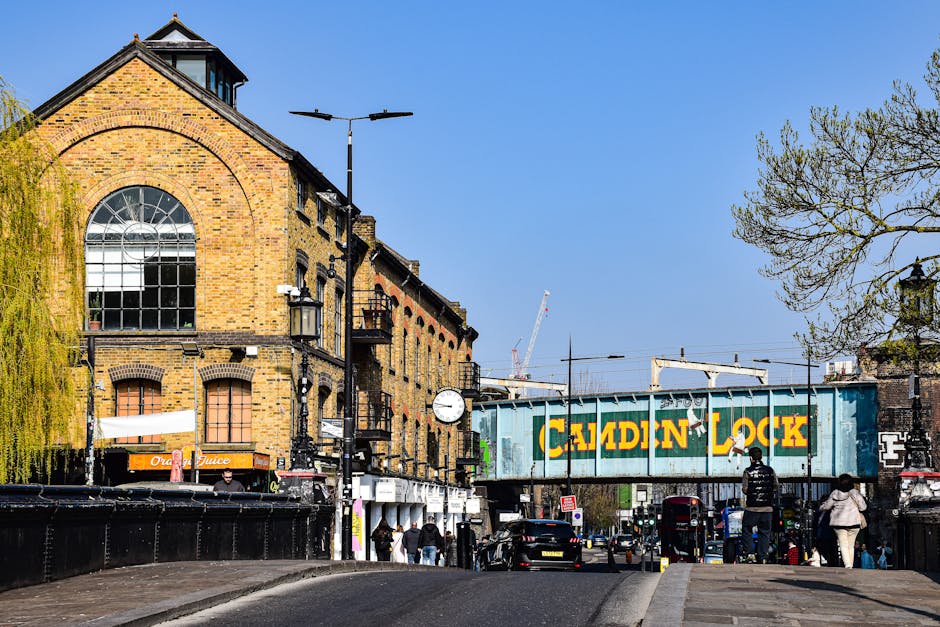
Clapham is a district in south London associated with a wide common, a busy high street and a long pattern of residential growth. Clapham Common forms one of its best-known open spaces, with large grassed areas, mature trees and paths that make it a major feature of local life. The area’s built environment includes Georgian and Victorian terraces as well as later mansion blocks and commercial frontages, creating a streetscape that mixes suburban housing with urban density. Clapham Old Town preserves a more historic village-scale character, while the surrounding roads show the development that followed improved transport links into London. The area is also closely connected to Clapham South, Clapham North and Clapham Junction, each contributing to the wider identity of the district through rail and Underground connections. Local churches, pubs, independent shops and cafes add to its everyday character, and the common itself remains a central place for walking, exercise and informal gatherings. Although Clapham has changed significantly over time, it still combines open green space, transport convenience and a varied architectural mix, which helps explain why it remains one of south London’s most recognisable neighbourhoods.
Furniture moves and storage combinations
In many cases, storage is part of a wider move rather than a standalone task. That may involve moving a full household, taking selected rooms into storage or clearing specific furniture while decorators or contractors work elsewhere. Combining the move and storage element can make the process simpler, because one team can keep track of what is leaving, what is staying and what should be returned later.
When furniture is being removed for storage, the shape and weight of the items matter. Large pieces may need dismantling, while delicate items may need surface protection before transport. A careful approach is useful for beds, wardrobes, sideboards and other pieces that are awkward to turn through stairs or tight hallways. If your plan involves both storage and relocation, it is worth describing the destination clearly so the collection and return can be coordinated in a sensible order.
For a straightforward next step, ask for a quotation once you know the main items and timing. If you prefer, keep the request brief and focused: storage, collection point, return point and approximate volume are often enough to begin.
Access, labelling and keeping items organised

Well-organised storage is easier to manage because items can be identified quickly when they are needed again. Clear labelling, sensible grouping and a simple record of what has been stored all help reduce uncertainty later. This is particularly useful when boxes contain mixed belongings or when furniture and smaller items are held together as part of one arrangement.
Two practical habits make a noticeable difference. First, group belongings by room, category or future use so they are not scattered across unrelated piles. Second, note anything fragile or awkward to stack before loading begins. Those steps do not need to be elaborate, but they do make retrieval easier and help prevent damage caused by unnecessary handling. If access to the items may be needed during the storage period, make that clear from the start so the arrangement can be planned around it.
Why people use storage during moves and changes
Storage can solve several ordinary problems at once. It can bridge the gap between leaving one property and entering another, keep household contents safe during renovation work or make room for business changes without forcing a rushed decision about what to keep on site. The service is therefore useful not only when space has run out, but also when timing and organisation need to be handled carefully.
Customers often choose storage because they want to keep possessions together rather than spreading them across garages, spare rooms or temporary corners. That matters when items are part of a longer plan, such as settling into a new home, reorganising an office or holding surplus belongings until a decision is made. We aim to make that process simple to arrange and practical to carry out, with attention to handling and the sequence in which items are moved.
Preparing a quotation for storage in Clapham

A clear quotation is easier to prepare when the main facts are grouped together. The most useful details are the type of items, the approximate amount of space needed, whether collection is required, and whether the belongings will be returned to the same place or another address. If there are stairs, narrow access points or bulky items, include that too, because these factors affect how the work is planned.
You do not need to write a long explanation. A few practical notes are usually enough for a sensible estimate, especially when the job includes mixed household items or office contents. If you are comparing options, focus on what you actually need stored, how quickly it needs to be moved and whether any items require careful packing or dismantling. That keeps the conversation specific and helps avoid unnecessary back-and-forth.
For the next step, use the contact page if you want to request a quotation, or send a plain text enquiry with the items and timing. Request your quotation and we can help with a storage plan that fits the job.