Eco-Friendly Removals in Clapham: Recycle, Donate, Save
Moving house or clearing a flat in Clapham can feel oddly chaotic: boxes everywhere, a sofa that will not fit through the hall, and that one cupboard full of things you forgot you owned. But it does not have to end in a pile of waste. Eco-friendly removals in Clapham are about making smarter decisions with your unwanted items so you can recycle, donate, and save at the same time. That means less landfill, fewer unnecessary trips, and often less stress for you as well.
If you are planning a local move, downsizing, helping a family member clear a property, or dealing with an office or rental turnover, there is a better way to handle the practical mess. In this guide, we will break down how sustainable removals work, where the real savings come from, what to do with furniture and appliances, and how to avoid the mistakes that quietly create more waste than people realise. It is practical stuff. No fluff, no shiny brochure language.
Table of Contents
- Why Eco-Friendly Removals in Clapham: Recycle, Donate, Save Matters
- How Eco-Friendly Removals in Clapham: Recycle, Donate, Save Works
- Key Benefits and Practical Advantages
- Who This Is For and When It Makes Sense
- Step-by-Step Guidance
- Expert Tips for Better Results
- Common Mistakes to Avoid
- Tools, Resources and Recommendations
- Law, Compliance, Standards, or Best Practice
- Options, Methods, or Comparison Table
- Case Study or Real-World Example
- Practical Checklist
- Conclusion
- Frequently Asked Questions
Why Eco-Friendly Removals in Clapham: Recycle, Donate, Save Matters
Clapham moves often involve a mix of period flats, narrow staircases, shared entrances, parking pressure, and the usual "where on earth do we put this?" moment. That is exactly why a greener removal plan matters. When items are not sorted properly, good furniture gets thrown away, reusable packaging gets binned, and vans end up making extra trips that could have been avoided.
Eco-friendly removals are not about perfection. Let's face it, moving day is already messy enough. The real goal is to reduce waste sensibly and make sure anything still useful has a second life. A bedside table may go to a new home, a stack of books can be donated, and broken cardboard can be recycled without clogging the whole process.
There is also a quieter benefit: it usually helps you feel more in control. A clearer plan for disposal means fewer last-minute decisions, and fewer decisions means less stress. If you have ever stood in front of three bags of "maybe keep" items at 9pm, you will know that matters.
For many households and businesses, a sustainable approach also supports the wider move itself. Services such as home moves, house removalists, and even man and van support can be coordinated around donation runs, recycling drop-offs, and furniture collection so the day runs more smoothly.
How Eco-Friendly Removals in Clapham: Recycle, Donate, Save Works
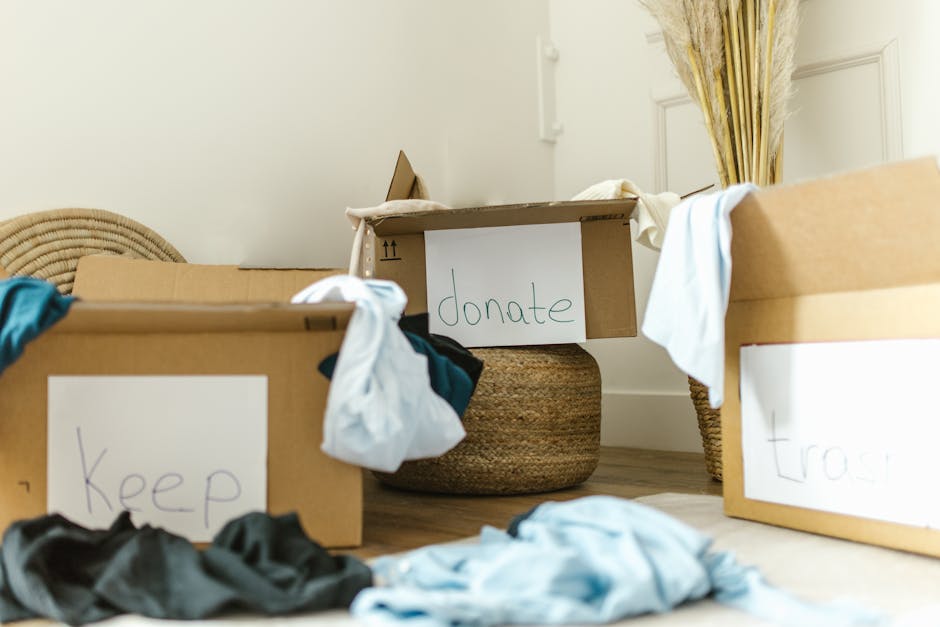
The process is straightforward, though it works best when you start early. Think of it in three streams: keep, pass on, and dispose responsibly. That simple split can prevent a lot of waste from happening by accident.
1. Keep what is still worth moving
First, identify what genuinely belongs in the new place. Sometimes a piece of furniture is perfectly fine, but the room layout or the new property size makes it impractical. That does not automatically mean it is waste. It may still be suitable for donation or reuse.
2. Donate what is usable
Items in good condition can often be passed on. This is usually the easiest win. Clean furniture, working appliances, books, kitchenware, and homeware are often welcome if they are presentable and safe to use. The key is to be honest about condition. If a chair wobbles like it has had a long week, it is probably not donation-ready.
3. Recycle what cannot be reused
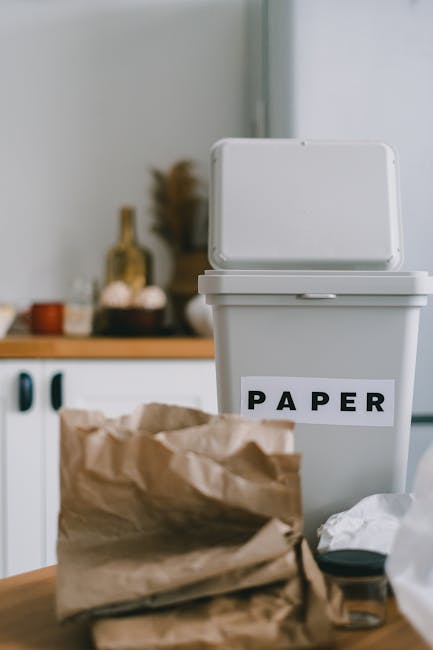
Cardboard, some plastics, metals, and certain electrical items can often be recycled, depending on the local facilities and item type. The important part is separate sorting. A mixed pile of packaging, broken hangers, and old cables is much harder to process than a neat set of containers.
4. Arrange collection or transport efficiently
This is where the move becomes easier. If you are already using a moving truck or booking removal truck hire, you can plan load order so donation items come out first, recyclables are kept separate, and rubbish is not left until the end in a crumpled heap. Small thing, big difference.
For office clearances, the same principle applies. Teams often forget how much reusable equipment gets left behind. A planned approach with commercial moves or office relocation services helps you sort desks, chairs, filing, and packaging without creating avoidable waste.
Key Benefits and Practical Advantages
There are obvious environmental benefits, yes, but the practical advantages are what usually make people stick with this approach.
- Less waste going to landfill: reusable items stay in circulation instead of being discarded too quickly.
- Potential cost savings: fewer disposal runs, less over-ordering of packing materials, and less time spent dealing with mixed waste.
- Better organisation: sorting early gives you a clearer picture of what is actually moving.
- Less clutter in the new place: if you only take what serves a purpose, the unpacking process feels lighter.
- Improved donation value: items kept in decent condition are more likely to be accepted.
- Reduced manual handling headaches: separating items by type makes loading safer and easier.
There is also a subtle benefit people do not always mention: the move tends to feel more intentional. Instead of rushing everything out of the old place, you are making decisions with a bit more care. That sounds simple, but on moving day, simple is lovely.
If you need help with the physical lifting, a man with van service can be a practical middle ground for smaller loads, donations, and local transfers where you do not need a full-scale crew.
Who This Is For and When It Makes Sense
Eco-friendly removals are useful for more people than you might think. They are not just for households trying to "be green." They make sense for anyone who wants a cleaner, calmer move with less waste at the end.
Home movers
If you are moving from a flat, terrace, or larger family home in Clapham, you will likely uncover more reusable items than expected. Old shelving, spare chairs, children's items, and duplicate kitchen bits are common candidates for donation or recycling.
Downsizers
When you move into a smaller property, every item has to earn its place. This is a good moment to let go of things that do not justify the space they take up.
Landlords and tenants
End-of-tenancy clearances can reveal furniture, broken small appliances, packaging, and leftover household goods. A structured removal plan helps avoid the "just dump it" trap, which is rarely the tidy solution it looks like from the outside.
Businesses and offices
Office relocations, refurbishments, and closures often produce desks, chairs, monitors, and storage units that are still useful. For those situations, services like commercial moves and office relocation services can support a more responsible disposal process.
People clearing a single item or small load
Maybe you are not moving at all. Perhaps you just need a sofa gone, or a bed frame collected, or a few bulky items removed. In that case, furniture pick up can be the cleanest way to avoid unnecessary waste.
Truth be told, this approach is often most valuable when the job feels too small for a major move but too awkward to handle alone.
Step-by-Step Guidance
Here is the most practical way to handle an eco-friendly move without losing your mind halfway through.
- Start with a room-by-room sort. Do not try to sort the whole property in one go unless you enjoy decision fatigue. Bedroom, kitchen, living room, loft, storage cupboard. One area at a time works better.
- Create three piles or zones. Keep, donate, recycle/dispose. Use boxes or tape labels if you have to. Clear categories make everything faster later.
- Check donation suitability early. Wipe items down, test electrical goods if relevant, and set aside anything unsafe or too worn. Donation is only useful if someone else can actually use it.
- Break down bulky items where possible. Flat-pack furniture, removed table legs, and folded cardboard all save space in the van. That alone can reduce trips and make loading easier.
- Set aside recyclables separately. Cardboard, paper, metal, and certain plastics should not be mixed with general waste. It seems obvious, but mixed waste happens all the time in a hurry.
- Plan the loading order. Put heavier, less fragile items first and donation pieces somewhere accessible. If you need to unload at more than one destination, this step really matters.
- Use the right moving support. For smaller or local jobs, a van-based service may be enough. For larger properties, a bigger vehicle or full removal service may save you multiple trips and a lot of effort.
- Confirm the final destination for each pile. Know what is being donated, what is being recycled, and what must be disposed of. If you leave this until the end, things get messy. Fast.
A small real-world example: a couple moving out of a Clapham flat might choose to donate a bookshelf, recycle broken boxes and packaging, and keep only the furniture that fits the new home. That sounds simple, but it can remove several bags from the load. Less to move, less to sort later. Nice.
Expert Tips for Better Results
Over the years, the difference between a smooth green move and a chaotic one usually comes down to a few small decisions made before moving day.
- Do not leave sorting until the night before. You will make worse decisions when you are tired. Everyone does.
- Photograph usable items before you donate them. It helps you remember what has gone where, especially if several people are involved.
- Keep one "instant decision" box. Put in obvious recycling or disposal items only. That prevents the unsure pile from growing like it has a life of its own.
- Label cords and parts. If a bed frame or desk is being moved, bag the fixings and tape them to the item. Future-you will be grateful.
- Use sturdy packing materials sparingly. You do not need mountains of tape for every box. That is a packaging problem disguised as caution.
- Think about accessibility. Items placed near the door or lift are easier to donate or collect first, which can save a lot of awkward shuffling.
- Ask whether a second journey is really necessary. Sometimes it is, of course. But often a better route through the property, or a more suitable vehicle, avoids it.
If your move involves packing help as well, packing and unpacking services can be useful when time is tight or you want fragile items handled carefully. That is especially helpful if you are trying to keep recyclable materials separate from general waste from the start.
Expert summary: the best eco-friendly removals are not the most complicated ones. They are the ones where useful items are identified early, waste is separated properly, and transport is planned so nothing has to be moved twice.
Common Mistakes to Avoid
Most mistakes are not dramatic. They are just small decisions that add up. A few of the usual culprits:
- Mixing everything together. If donation, recycling, and rubbish all end up in one pile, you have already made the job harder.
- Assuming damaged items are still donate-able. A charity or recipient may not want furniture with structural problems, stained upholstery, or missing parts.
- Leaving large items for the final hour. This is how hallways get blocked and tempers rise.
- Overfilling boxes with mixed contents. Heavy, random boxes are hard to lift and even harder to sort.
- Forgetting about disposal rules for specialist items. Some things, especially electrical equipment and certain materials, need particular handling.
- Booking the wrong vehicle size. Too small means extra trips; too large can mean unnecessary cost.
One mistake we see a lot is the "I will deal with it later" approach. Later usually turns out to be moving day, and moving day is not a great time to invent a recycling system from scratch. Not ideal.
Tools, Resources and Recommendations
You do not need fancy equipment, but a few basic tools make sustainable removals much easier.
- Labels or coloured tape: quick visual sorting for keep, donate, recycle, and disposal.
- Sturdy boxes and reusable crates: better for repeated handling and less likely to fall apart mid-move.
- Furniture blankets and straps: useful for protecting reusable items so they arrive in a condition worth keeping or passing on.
- Basic cleaning supplies: a cloth, spray, and bin bags can make donation items presentable fast.
- Inventory sheet or notes app: handy for tracking what is going where, especially in bigger moves.
From a service point of view, different jobs call for different support. A smaller flat clear-out might be handled with man and van or man with van support, while larger household moves may suit home moves or a more full-service approach with house removalists. For heavier loads, a larger vehicle can keep things simple, especially when bulky furniture is involved.
For very large or multi-stop moves, it may also make sense to use removal truck hire so sorting, loading, and delivery can all be handled in one clean flow.
Law, Compliance, Standards, or Best Practice
Without getting too legal about it, there are some sensible UK best practices to keep in mind. You should never treat waste like it is all the same thing. General household rubbish, recyclable materials, reusable goods, and electrical items may need different handling. It is also wise to be careful with anything that could contain personal information, such as documents, labels, or office storage.
If you are clearing a business property or office, best practice is to separate confidential materials early and decide what must be shredded, recycled, reused, or removed securely. That kind of planning matters more than people expect. A drawer full of old files is not just clutter; it can be a privacy headache if handled badly.
For households, common-sense compliance usually means using local recycling routes where appropriate, not leaving items on the street, and ensuring anything donated is safe and fit for use. For larger jobs, the removal provider should work in a way that is orderly, transparent, and responsible. If that sounds vague, it is because the exact process can vary by item type and local arrangements. Better to stay careful than make confident guesses.
If you want to understand the business behind the service, the about us page can help explain the approach, while contact us is the sensible next step if you need to discuss a specific property, timeframe, or item list. And yes, those details matter more than most people expect.
Options, Methods, or Comparison Table
There is no single correct way to handle eco-friendly removals. The right method depends on how much you are moving, how many items can be reused, and how much help you want on the day.
| Method | Best for | Pros | Trade-offs |
|---|---|---|---|
| DIY sorting and self-transport | Small clear-outs, a few items, low budget | Full control, flexible timing | More lifting, more time, multiple trips |
| Man and van support | Small to medium loads, local donations, quick removals | Practical, efficient, often cost-conscious | Less suitable for large or complex moves |
| Full house removal service | Whole-home moves, heavy furniture, tight schedules | Less stress, better coordination, fewer mistakes | May be more than you need for a very small job |
| Commercial or office relocation service | Workplace moves and clearances | Better for equipment, structured handling, planning support | Requires more coordination and pre-sorting |
In plain English, the more items you have and the more different destinations they need, the more valuable professional support becomes. For a single sofa, a small vehicle is enough. For a four-bedroom home or office floor, you want proper planning, not improvisation and hope. Hope is not a packing strategy.
Case Study or Real-World Example
Here is a realistic example based on the kind of move people in Clapham often face.
A couple moving from a second-floor flat had three categories of items: furniture they were keeping, a dining set they no longer needed, and a pile of packaging, old cables, and mixed household clutter. Rather than loading everything together, they sorted the items first. The dining set was kept clean and separated for donation. The cardboard and paper packaging were flattened for recycling. The broken cable pile was kept apart so it would not contaminate the rest of the recyclable material.
On moving day, the van was loaded in a more sensible order. Donation items came out first and were easier to hand over. Recyclables were kept separate. The rest of the furniture fit better because the bulky, unnecessary items had already been removed from the equation. The whole process felt lighter, even though the amount of work was the same. That is the interesting part. The work does not disappear, but the stress often does.
A similar approach works for offices too. A business moving desks and chairs can combine commercial moves with a planned sort of reusable office furniture and old packing materials, so less ends up wasted and less time is spent untangling the load later.
Practical Checklist
Use this checklist before moving day if you want a cleaner, greener outcome.
- Sort every room into keep, donate, recycle, and dispose categories.
- Check donated items are clean, complete, and safe to use.
- Flatten cardboard and keep recyclables dry and separate.
- Label boxes clearly, especially if they contain fragile or reusable items.
- Break down furniture where possible to save space.
- Set aside any confidential papers or sensitive office materials.
- Confirm which items need special handling.
- Choose the right vehicle or removal support for your load size.
- Plan the order of loading and unloading.
- Keep a final sweep box for last-minute bits that do not fit the main categories.
If you can tick off most of that list, you are already ahead of the average move. A bit of structure goes a long way.
Conclusion
Eco-friendly removals in Clapham are really about common sense with a greener edge. Recycle what should be recycled, donate what can still be used, and save yourself time, space, and unnecessary hassle by planning the move properly. That is the whole point, really. Not perfection. Just better choices.
Whether you are moving home, clearing an office, or getting rid of a single bulky item, a more thoughtful approach usually gives you a cleaner finish and a calmer day. And if you are unsure where to begin, start small: one room, one pile, one decision at a time. It is amazing how quickly the chaos settles once the sorting begins.
Get a free quote today and see how much you can save.
Sometimes the best move is the one that leaves a little less behind, and a little more room to breathe.
Frequently Asked Questions
What counts as an eco-friendly removal?
An eco-friendly removal is a move that prioritises reuse, recycling, and responsible disposal instead of sending everything to general waste. It usually starts with sorting items properly before the move.
Can furniture really be donated during a move?
Yes, if it is clean, complete, and safe to use. Donation works best for items that someone else could reasonably put straight into their home or office without repairs.
What should I recycle before moving house?
Cardboard boxes, paper packaging, and some metals or plastics can often be recycled, depending on the item and the local facilities available. Keep recyclable materials separate and dry where possible.
Is a man and van service suitable for eco-friendly removals?
It often is, especially for smaller jobs, donation runs, or local moves with a limited amount of furniture. For bigger loads, a larger vehicle or fuller removal service may be more efficient.
How do I decide whether to donate or recycle something?
Ask a simple question: could someone else safely and happily use this item as it is? If yes, donation may be suitable. If not, recycling or proper disposal is usually the better route.
Do eco-friendly removals save money?
They can. You may reduce waste disposal, avoid unnecessary trips, and use space in the vehicle more efficiently. The savings vary by move, but the approach often helps overall.
What about broken appliances or electrical items?
These usually need separate handling. Some electrical items may be recyclable, but damaged appliances should not be treated like ordinary household waste. It is best to keep them apart from reusable goods.
Can office moves be eco-friendly too?
Absolutely. Office relocations often produce reusable furniture, packaging, and equipment that can be sorted in advance. A structured commercial move makes the process much easier.
What is the biggest mistake people make with green removals?
Leaving sorting until the last minute. That is when items get mixed together, reusable things get damaged, and recycling becomes much harder than it should be.
Should I clean items before donating them?
Yes, as a rule of thumb. A quick wipe-down, dusting, or minor tidy-up can make a big difference and improves the chance that the item will be accepted.
Is it worth booking packing help for an eco-friendly move?
It can be, especially if you want fragile items protected and recyclable packing kept separate from general rubbish. Good packing support also helps you organise the move more cleanly from the start.
What is the best first step if I want a greener move in Clapham?
Start with a room-by-room sort and decide what stays, what gets donated, and what needs recycling. Once that is done, the rest of the move becomes much easier to manage.